
Chapter Text
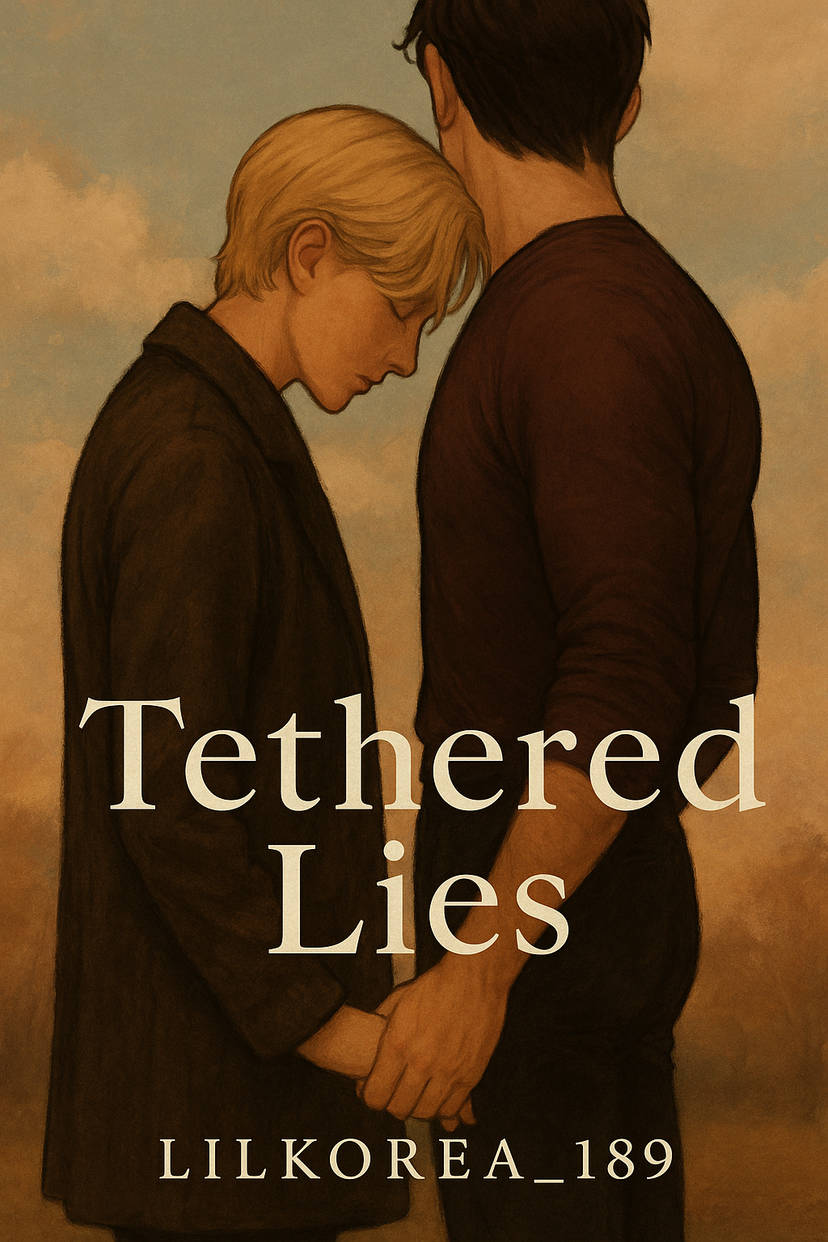
It began the moment the gavel struck.
Sound cracked like a ward shattering, echoing off the marble and mahogany of Courtroom Ten. Draco Malfoy did not flinch. His legs trembled traitorously beneath his robes, but his spine stayed iron-straight, chin level, the particular tilt of a boy who had been taught never to let the world see him bleed.
“On the terms of probation,” intoned the witch at the dais, voice carrying on crisp, Ministry-enchanted air, “Mr. Draco Lucius Malfoy will return to Hogwarts School of Witchcraft and Wizardry to complete his education. He will maintain good conduct, obey all school and Ministry regulations, and present himself for quarterly review. Any violation—”
“—and the suspended sentence is imposed,” finished Kingsley Shacklebolt, not unkindly. The faintest quirk at the corner of his mouth could have been mercy or exhaustion. “Court is adjourned.”
The crowd rose like surf—robes whispering, quills scratching, the skitter of beetle-quick gossip. Scent dampeners hummed along the rafters, but nerves still leaked through: tin-bright beta worry, the sharp cedar of an alpha’s indignation somewhere to Draco’s left.
He had walked out a free wizard.
His wrists remembered shackles that weren’t there. His lungs remembered the cellar’s dust. He let his jaw relax one notch and regarded the place that had held his future between its teeth, then looked for her. Narcissa Malfoy sat like a portrait come to life: regal even in disgrace, posture impeccable, hat unfashionably simple. The years had pared her expression to essentials. As the verdict settled, her fingers—the only part of her that betrayed fatigue—trembled where they pinched the edge of his sleeve. She didn’t say thank you. Of course she didn’t. But her gaze slid past him, across the aisle, and found Potter.
For a heartbeat, the impossible happened: her eyes softened. A small thing, a winter sun through thin cloud, there and gone. It was enough.
Harry Potter—robes a little crooked, a scar that refused to learn dignity—met her look and dipped his head once. He had stood in this room and given testimony—firm, resolute, irritatingly honest—that had saved Draco’s neck and, more critically, blunted the Ministry’s appetite where Narcissa was concerned.
“Malfoy,” Potter said now, quiet, as the benches emptied and the press washed toward the doors. No theatrics. No hero’s speech. “You’ll be all right at school.” A statement pretending to be reassurance. Typical.
Draco’s mouth shaped something cool. “I am aware of my capacities, Potter.”
A hitch at the corner of Potter’s mouth. Not a smile. Something preparatory to one. “Right. Good.”
He moved aside to let them pass. His friends waited behind him—Granger watchful, Weasley wearing an expression that suggested hexing someone would be a restorative tonic—but Potter didn’t look back to be shepherded. He simply stood there, steady as a wardstone.
“Come,” Narcissa murmured, hand still on Draco’s sleeve. “We have little to gain by lingering.”
He inclined his head and guided her toward the aisle, stepping neatly around reporters and their floating cameras. Flashbulbs spattered light; a quill snagged at Draco’s robe hem and received a glare that wilted its owner. He breathed like a Healer had taught him—out to six, hold, in to four—until the tremor left his knees.
Lucius Malfoy did not stand to go. He could not. He had been flanked by Aurors throughout, pale and very straight, but diminished, as if the courtroom’s gravity had been calibrated to his weight. Veritaserum and the memories poured from his pensieve had been a ledger without charity. Ten years in Azkaban, followed by house arrest under layers of wards that would have made Gringotts jealous. He had not begged. He had not raged. He had confessed cleanly, the way one signs away a property one no longer loves.
Some whispered cowardice.
Draco, who knew the pitch of his father’s silences, recognized resignation—and something pettier than that: calculation evaporated by the war’s ruin. The old game boards were ash. There was nothing left for Lucius to play.
“Mr. Malfoy,” came an officious voice at Draco’s elbow. A clerk. “Your probation parchment—initial here, here, and here. Terms include quarterly reviews, owlings to this address, and confirmation of your return to Hogwarts by first of September. There is also a clause regarding your adherence to the Ministry’s Pheromone Conduct Code while on premises.”
Draco took the quill, signed with a hand that did not betray him, and returned the parchment with a nod that expressed gratitude without granting intimacy. “You will receive the Hogwarts confirmation within the week.”
Draco merely nodded.
Outside the courtroom, the Ministry corridors tried to pretend they were not listening. Witch and wizard traffic eddied around the Malfoys, giving them just enough berth to suggest respect and just little enough to keep the spectacle fed. Narcissa adjusted her gloves, her gaze a blade as she cut through the gawking.
“Home,” she said. Not a suggestion.
“Of course.”
Narcissa did not look at Potter this time. She didn’t need to. She lifted her chin a fraction and stepped into the lift. Draco followed. The gate clanged shut; the lift lurched downward.
“You did well,” Narcissa said. It sounded like a verdict. It felt like a blessing.
He swallowed. “We will return to the Manor?”
“For tonight,” she said. “Then—arrangements.” She did not need to say what kind. Eighth year. Hogwarts. Keep your head down. Stay out of trouble.
The lift chimed. The atrium spread before them—fountain mended, sunlight painting the floor in squares of gentle gold. People were already moving on to the next scandal. Draco breathed. The air tasted like coins and charmed marble. Beneath it, threaded and stubborn, the ghost of rain lingered. He did not look back to see if Potter had followed. He would not give him that.
He walked out a free wizard and did not look back.
Lucius remained where the sentence had put him.
Draco did not visit.
xxxxx
Summer measured itself out in ledgers and letters.
Gringotts owls came and went so often the Manor’s eaves looked like a rookery. Account statements, solicitor drafts, signed acknowledgments written on parchment that still smelled faintly of tears or antiseptic. Draco and his mother moved through it like dancers who had learned a new, austere choreography: identify a wound, send gold, follow with silence.
“War Widows’ Fund,” Narcissa would say, and Draco would countersign.
“Children of the Fallen,” Draco would answer, and Narcissa would nod once, the quill never trembling.
“St Mungo’s—trauma wing, long-term curses. Enough to staff it properly.”
“And Hogwarts,” she added. “We will not leave ruins in a child’s path.”
Gold flowed. Vault seals broke with the clatter of old decisions being pried apart. Malfoy galleons rebuilt three St Mungo’s wings and underwrote a night shift in the expanded trauma unit; the Healer-in-Charge sent a stiff note of thanks that did not pretend money was mercy. The Hogwarts endowment came with no conditions and a signature so plain it looked anonymous. Reconstruction teams wrote back, ink blotched where paint dust fell; Headmistress McGonagall’s reply was a single crisp line: Acknowledged. Put to use.
They kept it quiet when they could. Narcissa preferred to give in ways that left no plaque to sneer at. But some things would not stay quiet. You cannot rebuild half a hospital and go unnoticed. Nor should you.
Some afternoons the Manor felt like a mausoleum full of signatures. Narcissa would take tea in the garden—bare earth, cold glass, the hush of a house holding its breath—and review lists in her precise hand. Draco worked at the writing desk that had once been his father’s, the grooves worn by rings digging into wood now under his palms. The quill’s scratch became metronome, then penance.
None of it would be enough.
He knew it with the kind of bone-deep clarity that made appetite feel gauche. Galleons could ease pain, buy bricks, pay for Healers and books; they could not put a parent back at a breakfast table or stitch a brother into a family photograph. Money could fund wards and scholarships and keep somebody’s lights on through winter. It could not rewrite the parts of the war where he had watched and done nothing, or done the wrong thing very well.
So he made another list. Not names to pay, but names to face.
He wrote them as they occurred to him, each letter a small confession: Longbottom, bones mended but memory intact. Lovegood, whose odd kindness had been a mirror he had refused to look into. Finnegan, Thomas, Brown. Weasley—too many of them to fit neatly, so he put all and underlined it. Granger, whose patience resembled ferocity when placed next to his cowardice. Potter—no, not for forgiveness; that would be another kind of theft. For accuracy. For the truth of what had been done and who had spoken when speaking hurt.
He practiced what he would say, stripped of his old tricks.
“I’m sorry for what I did.”
“I’m sorry for what I allowed.”
“I don’t ask you to forgive me.”
“You can spit at me if that helps.”
“You can hex me, so long as it’s legal.”
“You can walk away.”
Narcissa found him once, rehearsing to no one. She watched until the silence gathered weight.
“You are not obligated to kneel for them,” she said.
“I am obligated to stand before them,” he answered. “And not flinch.”
Her mouth tightened. Approval, perhaps, wearing the only armour it trusted. “Then stand well.”
He added his own name to the list after that, in a margin. The person he had wronged most thoroughly was a boy he had been taught to be.
Some nights he lay awake and measured his breath while the Manor counted the ghosts of footsteps down the corridor. He suspected there were houses that could forget, could plant roses over graves and call it healing. Malfoy Manor preferred memory. When an owl from Hogwarts finally arrived—neat script, term dates, a note about eighth-year accommodations and the Pheromone Conduct Code enforcement on school grounds—Draco felt something old and rusted click forward a notch.
“September first,” Narcissa said, reading over his shoulder. “We will go by Floo.”
He nodded. “I’ll start packing.”
“Pack well,” she corrected, and smoothed his sleeve. It was the same gesture she had made in the courtroom, fingers steady now. “And remember; we do not ask for their forgiveness. We earn the right to be in the same room.”
“Understood.”
Forgiving a Death Eater—willing or not—was not a small, clean act. It was a task that could break the back of a lifetime. Draco had no illusions left about what others owed him. He had a list, a timetable, a school he had to walk back into, and a mouth that had learned how to say I am sorry without bargaining. He sealed another envelope to another fund and watched the wax cool. Somewhere in London a wall would stand because he had signed a parchment. Somewhere else, a chair at a kitchen table would remain empty no matter how much gold he poured into the cracks. He would go. He would speak. He would stand. And when the first door shut in his face, he would knock on the next.
xxxxx
It was time to return to Hogwarts.
Draco stood very straight on Platform Nine and Three-Quarters, the warm September breeze teasing the hem of his coat and working loose a single pale strand at his temple. King’s Cross cast its old spell: steam sighing from the scarlet engine, owl cages hooting in jittery chorus, trunks thumping over uneven boards. A prefect’s whistle pierced the din. Laughter flared and folded, bright as brass.
Narcissa stood beside him with a hand light on his arm, elegant as ink drawn in one clean stroke. Charcoal robes, dove-grey gloves, a hat too modest for fashion and precisely right for witness. His luggage waited at his feet—polished handles, crisply buckled straps—because she had insisted and because order steadied his ribs. For a moment, the scene threatened to pretend nothing had happened. If he blurred his eyes, the years layered: first-year glee and fourth-year swagger and sixth-year strain all crowding the same strip of platform. Then the hush reached him—the micro-pause as people passed and measured how much space to give a Malfoy. Glances skimmed off him like pebbles. Whispers lived in cupped hands. The war’s shadow had learned to commute.
Over the summer, his body had made a quiet declaration of its own. He had presented.
Omega.
It hadn’t surprised him, not really. He had never moved through rooms with an alpha’s blunt certainty, never wanted the tug-of-war that dominance requires. A small, strategic part of him had imagined an alpha presentation would sand down the world’s angles—fewer questions, cleaner introductions—but the truth had settled into him like a puzzle piece finally finding its cut. The androgyny he’d been mocked for, the soft balance of his limbs, the fine-boned precision of his features—these were not accidents; they were a grammar. Even his preference for boys, which he had filed under private and unhelpful, steadied in the wake of it.
They had kept the matter close. Narcissa, his Healer, and Headmistress McGonagall knew. That was enough. Omegas were rare, fifteen percent at most, and rarer still among boys outside old lines. The Prophet would have made a meal of it. The Wizengamot’s gossips would have brought napkins. He had no interest in being their entertainment while the court of opinion still had him balanced on a knife.
A subtle dampening charm lay over his pulse points, blurring the edges of rose and dark plum until he read as nothing more than well-turned linen. He breathed evenly, the way Healers teach—through the nose, count six, hold, then back out. His scent stayed caged and tidy.
“Letters,” Narcissa murmured, the word small enough for two people. “You have McGonagall’s note?”
“In the side pocket.” He did not check. He knew. “I’ll Owl you when we arrive.”
“Daily.” She didn’t say please. She did not need to.
He let himself look, because not looking is how you trip. Eighth-years were easy to spot—aged by grief and summer growth, shoulders and spines bearing the edits of war. Some faces he knew at once; others were old maps with new roads. He could see who had presented among them without trying: the alphas carried themselves with a new economy, shoulders a fraction wider, chins tilted by instinct rather than vanity. A few scanned the crowd like they had learned to inventory exits. Predatory, some would call it. Post-war, Draco thought. Don’t pretend those are different.
Betas made the majority: steady, practical mouths, the human glue. Taller, a little leaner, yes, but largely unchanged by the particular earthquake that shifts scent and skin in obvious ways. Stable was an unfashionable word that should have been a compliment more often than it was.
And then his gaze caught on him.
Potter.
Harry Potter had grown. He was still recognizably himself—black hair refusing treaty with comb or wand, scar a thin clause no one could ignore—but the boy had lengthened into a young man whose shoulders filled a dark jacket properly. Even at a distance Draco could see the line of muscle along his arm strain the fabric when he lifted a trunk one-handed for a first-year. Ridiculous, showy strength; irritatingly unshowy about it.
The sunlight threaded his hair so that it showed in glints rather than chaos. Those green eyes—clear, impossible, the color of forgiveness people should not expect—glanced over the platform and caught on nothing. He laughed at something Granger said, the sound brief and surprised, as if laughter were still a new country. Weasley hovered beside them with the protective fidget of a beta used to standing between friends and crowds.
A heartbeat with too much weight. Draco’s chest answered it—once, slow and seditious. He cut his eyes away as if the choice were his.
A pack of Gryffindor third-years veered around him, giggling. One glanced directly at Draco, cheeks going mottled with embarrassment before she pretended to be fascinated by her own shoelaces. An older witch—somebody’s aunt with a face made of judgment—steered a lanky boy past and put herself between that gaze and the Malfoy profile as if human bodies could block history.
“Head up,” Narcissa said. Advice, not admonition.
A prefect’s call went up for last trunks. Somewhere, a cat protested confinement like a small operatic god.
“Write in the evenings,” Narcissa said, fingers smoothing an imaginary wrinkle from his sleeve that was really only a memory of the courtroom. “Mind the Conduct Code. Mind yourself.”
“Yes, Mother.”
“Do you want me to walk you to the train?” his mother asked, voice carefully neutral, as if the question were part of a ritual they both understood.
Draco shook his head and schooled his features into cool glass. “No, Mother. I think I can manage.”
Narcissa nodded once and brushed an invisible thread from his sleeve, a gesture that always steadied him. “Write when you’ve settled in.”
“I will.”
He stepped into her embrace before either of them could think better of it—arms around her slender frame, chin resting at her shoulder. Gardenia and sun-warmed linen met him; the platform’s clatter dulled, the nerves pinched tight in his chest easing under the familiar scent. For a few breaths he was only her son, not a scandal, not a cautionary tale in someone else’s drawing room. She had been a steady compass through his transition. When his first heat had come in July—dry and muted, a newcomer’s cycle—she’d sat beside his bed and read in a quiet, unshowy voice, fingers combing his damp fringe off his forehead when the fever ran high. It had been three days of bone-deep fatigue, skin feeling too tight, everything too bright; not unbearable, but humbling. Before that, she had prepared him the way Malfoys prepare for weather: books in worn leather with her neat annotations, frank conversations about biology and instinct, and the far messier business of being different in a world that insists on sameness.
“I was just your age when I had my first heat,” she’d said one evening, pouring tea like it was part of the lesson. “Once you have been properly mated, your heats will regulate and become tolerable.” He hadn’t answered. He’d watched the fire and kept his jaw locked, because the word properly landed like a collar. It wasn’t mating he disliked; it was the inevitability, the path rolled out beneath his feet by other hands.
A week before term, he’d gone to her study and placed his palms flat on the desk. “Please…don’t accept any proposals while I’m at school,” he’d said, eyes down, voice steady.
She’d blinked once, then smoothed the sleeve of his robe as if tidying could anchor them both. “Of course. You’ll have your year, Draco. No distractions. No pressure.”
Custom would have preferred otherwise. In old houses, an unbonded omega began courting within weeks of presentation: formal letters, contracts like polite cages, mothers comparing vault ledgers under the guise of tea. Laws had improved—omegas could refuse, break contracts, own property—but expectation still hung in those rooms like smoke you couldn’t open a window against. The Prophet’s headlines had trained him well: Instinct-driven alpha attacks unclaimed omega; Unmated omega compromises alpha control. The implication never bothered to hide. If an alpha slipped, blame the nearest throat.
As a ward against other people’s entitlement, Narcissa had commissioned a collar: supple black dragonhide, rune-stitched and keyed to his magic, scent-warded and bite-shielded. Only Draco could unfasten it. Elegant enough to be an accessory, firm enough to be law at his throat. It sat warm and certain against his skin now—reassuring, and not.
“Stay safe, my dragon,” Narcissa whispered when they drew apart. Her fingers lingered on his shoulder, smoothing a wrinkle that didn’t exist.
Draco nodded and curled his hand around the trunk handle, bracing against the nervous hum in his gut. “I will.”
He turned toward the train. Her perfume clung delicately to his robes, a tether he could choose to feel or ignore. The platform’s noise rushed back: the hoot of an indignant owl, a prefect calling for last trunks, the engine’s patient breath. He glanced down the length of the crowd, letting his gaze skate over familiar crests and new haircuts, until—
Potter.
Amidst the tangle of trunks and laughter, Harry was already looking at him. The green hit first—clear as polished glass even under the platform’s shifting light—then the rest: the easy set of his shoulders, the unruly hair that refused to be negotiated with, the steadiness that hadn’t been there, not like this, two years ago.
Their eyes caught across the sea of bodies.
For a breath, the world thinned to the line between them. Steam blurred, footsteps softened, and the long, complicated distance opened like a ravine—everything they’d done on opposite sides of the same war lodged in the space between one heartbeat and the next. It felt wider than it had any right to be. It felt inevitable.
Draco’s throat tightened. He let his gaze slide away, a small, practiced motion. He pretended to adjust the strap on his trunk, as if the moment had been nothing at all.
Without looking back, he set his foot on the step and climbed into the train.
He found an empty compartment midway down the train, slid his trunk under the bench with his heel, and took the window seat. Steam traced soft fingerprints on the glass; his reflection hovered, pale and half-formed, until the platform’s bustle sharpened around it—owls protesting, prefects corralling, the engine breathing like a patient beast.
The door rasped open on well-worn runners.
Theo Nott slipped in first with a fox’s grin, followed by Pansy Parkinson—composed as a queen in transit—and Blaise Zabini, who filled the doorway for a beat as if assessing air pressure before entering. They moved as a unit, the old geometry falling into place without discussion. Blaise took the seat nearest the door, shoulders easy but set; Pansy claimed the corner and unzipped a bag as if unveiling a portable altar; Theo folded into the spot opposite Draco, elbows on knees, already amused.
“Well, well,” Theo drawled, leaning across the little table. Two fingers hooked Draco’s collar with a practiced familiarity and tugged it down just enough to reveal the black band at his throat. “What’s this?” His eyes glinted. “The Malfoy heir, an omega. It suits you.”
Draco batted Theo’s hand away with a slap, heat prickling the back of his neck. He yanked the collar straight and began buttoning the shirt to the throat, each button a small decision. “So what?” he said, tone flat as glass. He smoothed his cuffs with brisk, fussy precision. “Is it a crime now to protect myself?”
“Relax,” Theo said, unbothered, and with a theatrical sigh tugged down his own neckline to show deep brown leather sitting snug at his pulse. “I’m an omega too.” He waggled his brows. “Although I’m looking forward to finding out what an alpha’s knot feels like.”
Draco rolled his eyes. “Must you be so vulgar?”
“It’s not vulgar, darling,” Theo replied, air light and eyes bright. “It’s biological curiosity.”
Pansy, already bored of the topic and everyone on it, produced a neat clutch of little glass bottles from her bag and lined them up like tarot cards. She inspected each label with priestly care before tapping a glossy navy-blue polish against her lip and nodding to herself. “You two can conduct your scientific inquiry far from my shoes,” she said, unscrewing the cap with a crisp pop. “The last thing I need is your pheromones fogging up my topcoat.”
Blaise’s gaze swept the compartment, calm as a still pond with something sharp beneath. Taller now, broader through the chest, he had settled into alpha without seeming to try—more economy than swagger. He folded his arms, not quite casual. “Hopefully you’re both on suppressants,” he said, not unkindly, but with a careful edge that acknowledged he was the only alpha in the room and preferred not to become a headline.
“Obviously,” Draco and Theo said together, the word snapping into the same space.
“Good.” Blaise’s mouth tilted, there and gone. “I’d rather not test the Pheromone Conduct Code in a moving vehicle.”
Pansy blew across her thumbnail and held it up to the light, satisfied. “If either of you starts to hum, I’m hexing you with a migraine and finishing my manicure over your unconscious bodies.”
Draco let his head drop back against the cushion and exhaled through his nose, letting the dampening charm do its work. In addition to the daily suppressant, the weekly birth-control draught sat bitter at the back of his tongue, a taste no amount of sweets could quite chase. His mother had insisted—Healers too—on redundancy. Omegas were more fertile than beta women, than alpha women; biology didn’t care about reputations or the delicate math of second chances. One careless decision could chain him to someone else’s life in ways no contract could cleanly sever.
“Avoiding disaster suits you,” Theo said, reading his silence with unnerving accuracy. He nudged Draco’s boot beneath the table. “But don’t confuse prevention with penance.”
Draco cut him a look. “Thank you, Healer Nott. I’ll embroider that on a handkerchief.”
“Use silk,” Pansy murmured, painting another neat stroke. “And don’t forget a border.”
Blaise leaned his head against the wall of their cabin, watching the platform slope past students and goodbyes. “We sit the first week quietly,” he said, as if they had been discussing strategy all along. “No scenes. No feuds. No bait.”
Theo kicked one ankle up over his knee, affecting innocence. “Draco is constitutionally incapable of scenes.”
“Draco,” Pansy said without looking up, “is constitutionally incapable of letting fools go uncorrected. Which, regrettably, counts as a scene when the fool is a Gryffindor.”
Draco’s lips thinned, then eased. “I’m capable of silence,” he said. “Strategic silence.”
“Mm.” Pansy capped the bottle with a decisive click. “We’ll call it restraint and pray it’s catching.”
The train gave a little lurch as if clearing its throat. Voices on the platform bunched into goodbye crescendos. Someone ran, laughing; someone else sobbed into a sleeve. A prefect’s whistle shrilled; doors thunked shut down the corridor like dominoes.
Theo watched Draco with a thoughtful gaze. “It does suit you,” he said, gentler now. “Not the collar. The certainty.”
Draco looked past his reflection to the platform and the crowd thinning there. For the briefest instant, a flash of black hair and a slash of scar cut through the glass, green eyes turned toward this carriage. He didn’t follow the look; he let it pass like weather. He set his shoulders against the seat, the collar cool and sure at his throat. “Certainty,” he said, and closed his eyes against the train’s first deep breath. “Let’s hope the rest of me catches up.”
xxxxx
Harry’s summer blurred past like the flick of a Snitch—bright, quick, impossible to hold—once the war trials ground to their last gavel.
He’d stood before the Wizengamot with his palms steady and his voice steadier, telling them what counted. Draco Malfoy had not named him when the Snatchers dumped Harry, Ron, and Hermione on the marble of Malfoy Manor; Draco had stared straight at a bloodied boy and refused to make the fatal introduction. Later, at Hogwarts, Draco had tossed him his wand—no flourish, no plea—an act so quiet it might have gone unnoticed if it hadn’t tilted the field. And Narcissa…Harry told them the truth of the Forbidden Forest: how she had leaned in, breath warm against the cold, and asked the question that mattered—Is he alive?—and how, when he whispered yes, she lied to the face of the monster and called him dead.
“If it hadn’t been for the two of them,” he said, looking from bench to bench without blinking, “none of us would be standing here today.”
The verdicts followed like dominoes.
A week later, Harry presented as an alpha.
It arrived not with trumpets but with exhaustion—he woke aching head to heel, as if he’d sprinted through his dreams. By Friday his bones had stretched to meet some new blueprint: he’d shot up nearly a foot; shoulders broadened; chest and back filled out; muscle set in along his arms where once there had been only wiry readiness. His appetite roared to match. He ate his plate clean, then seconds, then thirds, and, on shameful afternoons, poked a fork into Ron’s abandoned potatoes.
Kreacher was in raptures. The old elf began staging feasts at Grimmauld Place like a general planning a siege: tureens of stew, platters of roast, bread so new it sighed when torn, and perpetual pitchers of fruit squash that topped themselves when no one watched. “Master is growing properly,” Kreacher muttered, bustling, eyes wet with vindicated devotion. “Kreacher will see to it.”
Molly Weasley beamed when she heard. “An alpha! Wonderful, dear.” She smoothed his sleeve and then, for good measure, smoothed the air near his shoulder. Jumpers in warmer wool appeared on her needles as if conjured by the word itself. Her mind leapt to the obvious future: “You and Ginny—oh, once she presents it will be perfect.”
Neither Harry nor Ginny had the heart to correct her out loud. Their relationship had loosened its knot quietly after the war: no row, no slammed doors. Just a recognition, like two hands unclasping—too much had changed, and so had they.
Ron did not take the news with equal grace. He’d expected—hoped, at least—to present as an alpha too. When the designation letter named him beta, he sulked for days, a storm cloud with freckles. “It’s fine,” he said to the ceiling more than once. “Betas are the spine of society.” Then he kicked the leg of a chair. “Just…didn’t expect it.”
Within the week, crisp Ministry envelopes arrived with their names in tidy ink—Auror Program applications, already half-accepted by history. Ron’s mood flipped like a card trick. “Partners,” he said, tapping the parchment like it might purr. “You and me, mate. Best duo the department’s ever seen.”
Harry hesitated.
He wanted it—of course he did—but he was tired in a way no sleep solved. Tired of being the point of the spear. Tired of running toward shadows. He wanted a season of ordinary: to finish school, to be young where no one needed saving, to hear a bell and think of class instead of alarms. He carried his doubts to Andromeda, because she had learned to balance grief with tea and could stare down any problem until it backed up and behaved. Teddy gurgled on a blanket at their feet, hair flashing bubblegum-pink then midnight-blue as if even his scalp couldn’t decide what to do with joy.
“I don’t know if I want to be an Auror,” Harry admitted, rolling a rattle between his palms. “Not yet. Maybe not at all.”
Andromeda, level-headed alpha to the bone, poured more tea. “No one will blame you for choosing a different path,” she said. “You have something most people forget they’re allowed—time. Choose when you’re ready, not because the world is impatient. The dark wizards who remain?” Her mouth tipped wry. “There are plenty eager to chase them. Your life is yours to live.”
Harry tucked the sentence somewhere safe while he let Teddy wrap a fist around his finger and test it with a gummy bite. He didn’t want his godson to grow up in a house full of love imagined instead of given. He wanted to be there—first words, tottering steps, accidental transfigurations of spoons into sparrows. He wanted to be the adult who showed up and kept showing up. He couldn’t do that if he was off chasing shadows.
He wrote back to the Ministry and declined—politely, for now. He’d return to Hogwarts, finish properly, and then decide. Ron, after a marathon of grumbling and a suspiciously quick growth spurt of maturity, sent a similar letter. “We’ll train later,” he told Harry, half-defiant, half-relieved. “Let them miss us.”
Hermione, denoted beta by a parchment that looked almost sheepish about it, practically glowed. “I’m proud of you both,” she said, eyes bright. “We deserve a year to learn without bleeding on the curriculum.”
For the first time since he’d caught his first Hogwarts letter from the air, Harry felt the world unclench its grip. He wasn’t The Chosen Anything. He was a returning student with a wand in his pocket, a timetable to collect, friends to sit with on the train, and a future that—for once—waited instead of chased. The rain-clean scent that had started to coil around him since his presentation—petrichor with a thread of something warm—felt less like a banner and more like weather he could live inside.
The last days of summer thinned to silk. Evenings stretched long and amber, and somewhere between Teddy’s bath and sleep, the house quieted enough for thoughts to prowl. Those hours were the worst. After the splash and the powder and the soft surrender of Teddy’s weight against his shoulder, after the bottle and the lullaby Andromeda swore by, Grimmauld Place would settle into its old bones. The clock ticked. Pipes clinked. Harry would stand by the crib a moment too long, listening to his godson’s breath even out, and the hush would fill with names he could not stop reading—etchings on marble, faces that wouldn’t sit still, the sound of stone cracking under spells.
Not all of the memories belonged to battlefields. One, stubborn as a burr, refused to leave him alone.
A Ministry corridor. Cool marble. The hum of wards set to neutralize scent. He and Malfoy, passing without speaking. Not even a proper look—just the coordinated choreography of two people pretending to be air in each other’s path. And then it hit him, thin as a line of ink and warm as sunlight on old parchment: a scent, subtle and impossible, sweet edged with something darker. It had lingered after Malfoy was gone, a ghost on the air that made Harry’s chest feel unreasonably tight.
He’d tried to ignore it. He’d failed. His mind kept circling back like a Seeker to a glint. He kept seeing Malfoy as he had been in that instant—changed. The gaunt boy with barbed words had been smoothed to a different sharpness, a strange elegance that wasn’t armour anymore so much as bone-deep habit. Platinum hair catching light like it had a separate understanding with physics. Fine features gone from petulant to composed. Serene, even. Harry remembered first-year flashes he hadn’t had language for—pretty, he’d thought once, privately, and then shoved the thought into a box labeled inconvenient.
“Am I just becoming barmy?” he muttered, tucking the blanket under Teddy’s feet. The infant, damp curls gone indigo for a cheeky second, slept on. No verdict from that jury.
The dreams didn’t help. Vivid, hot dreams where he touched what he’d never considered touching, tasted what he’d never allowed himself to name. He woke tangled and breathless, sheets damp and clinging, erection aching with a single-mindedness that felt like someone else’s idea. Cold morning showers made a respectable dent and did nothing for the echo—steam curling around him as he braced his palms on tile and tried not to think about pale skin and the slope of a throat he had no business cataloguing.
Anger roared up to cover the rest. Angry that Malfoy had slid under his thoughts like a spell through a crack. Angry at himself for wanting anything to do with a boy who had once been a bully and a rival and a symbol of the worst parts of the world they’d survived. Anger was easy. It was familiar. It kept other things from naming themselves.
The nightmares, loyal as dogs, didn’t leave either. On those nights he woke gasping, sweat-slick, heart battering his ribs while screams unfurled in the room and spells shattered in his ears. The weight of the war sat squarely on his chest and refused to be charmed away. He could face a basilisk with less dread than he felt at the thought of sitting still with it all and letting it talk.
Hermione broached it gently over tea, hands around her cup, voice soft enough not to startle the wildlife. “You could see a mind healer, Harry.” She met his eyes and didn’t flinch. “It doesn’t mean you’re broken. It means you’re trying to heal.”
Ron had snorted. “Mind healers are quacks.” He lobbed a biscuit and missed the saucer by inches. “You don’t need some stranger rummaging in your head, mate.”
Harry wasn’t sure. The idea of sorting through the blasted landscape inside him with a witness nearby was…unbearable, maybe. Or necessary. Or both, which felt like the worst possible answer. He nodded anyway because Hermione’s worry deserved more than deflection. “I’ll think about it,” he said, and meant the words even if he didn’t trust himself to keep them.
On a quiet Tuesday he found himself in the kitchen after midnight, the house humming its old lullaby. Kreacher had left a plate wrapped in a clean towel with a note that said for strength in shaky script. Harry ate half without tasting it and set the rest aside, appetite suddenly gone odd and narrow. The window was open two inches. Rain moved through the city somewhere far off, its promise familiar as a scar. And there, sideways, came that other memory again: the echo of rose and something dark-sweet, the way it had snagged on his ribs and refused to let go.
He rubbed his hands over his face. “Get a grip,” he told the empty room.
In the mornings he ran. He told himself it was to tire his body enough to sleep, to keep the ache from pooling under his skin; if his dreams were intent on theatre, he’d at least make them work for their curtain. The city cut him open and let him breathe—dawn pavements, the smell of bread somewhere, milk crates being stacked, the tune of a radio behind a half-closed door. On some stretches he slowed because his knees told him to. On others he sprinted until his lungs burned and the ache in his legs drowned everything else.
In the afternoons he went to Andromeda’s. Teddy’s hair always a show of rainbows. Harry spent long minutes letting his godson gum his knuckles and learning that small domestic rituals—sterilizing a bottle, tucking a blanket just so, catching a burp like a prize—could be as absorbing as a duel. The house smelled of lavender and clean cotton and, faintly, old grief that had been taught to sit in a chair and behave itself.
“Eat,” Andromeda would say without looking up from the Daily Prophet, passing him toast as if she’d been watching him not eat since he was twelve. “And mind yourself. The world’s not going anywhere.”
The world, annoyingly, agreed. Letters arrived: Hogwarts stationery, school supply lists, a reminder about the Pheromone Conduct Code being fully in force on school grounds. He put them in a neat stack and half the time remembered to read them.
On the last night before the train, he stood again over Teddy’s cot and watched his godson sleep in the precise way babies do when they are busy growing. The house felt expectant. The city breathed rain. Harry smoothed the blanket, then smoothed it again, because there are habits you grow into that were once someone else’s.
“Barmy,” he whispered, answering himself. “Maybe.”
He leaned on the cot rail and let the truth sit beside him on the dark: the war had left him with ghosts and a body still learning its own weather; his dreams had become inconvenient in a way he didn’t have jokes for; and somewhere in the white corridors of the Ministry, a boy he’d once sworn to hate had walked past him leaving a scent like a sentence Harry couldn’t stop rereading.
He switched off the light and let the door ease closed. Upstairs, the shower would be hot and then cold; sleep would come or it wouldn’t. In the morning there would be trunks and steam and a scarlet train and the long, narrow corridor of a future that—for once—he could choose to walk.
When it came time to return to Hogwarts, Harry made himself a quiet vow.
Stay away from Malfoy.
Simple. Sensible. Necessary.
He kept it for exactly thirty seconds.
The moment he stepped onto Platform Nine ¾ and spotted them—Draco Malfoy beside Narcissa, trunk at his feet—something shifted under Harry’s ribs. The late-summer light slid through the glass canopy and found Malfoy like it had been waiting for him, threading his pale hair into a thin, impossible halo. His posture was elegant and composed; even stillness looked tailored on him. Beauty had always clung to Malfoy like a bad habit, but now it was refined, quiet, untouchable.
Heat prickled the back of Harry’s neck. Irritation flared, quick and inexplicable.
He didn’t know why the sight of Malfoy—so poised, so painfully beautiful—made his stomach twist. Anger, maybe. Resentment. Or something far less obedient. He tore his gaze away, jaw tight, and pretended the platform demanded his full attention—the clatter of trunks, the shriek of owls, the scarlet engine breathing like a patient beast.
And then, predictably, he looked back.
Across the press of families and students, Malfoy leaned in and wrapped his arms around his mother. The embrace was brief but real, a rare unguarded softness. Narcissa held him a heartbeat longer than decorum required and brushed a strand of silver-blond from his brow with a touch that belonged to kitchens and quiet rooms rather than courtrooms. For a second, the Malfoy mask slipped, and a son stood where the heir had been.
Harry’s breath snagged.
Malfoy looked up.
Their eyes met in the middle distance, and the noise around them fell away as if someone had cast a Muffliato on the whole platform. The train’s hiss, the laughter, the prickle of feathers—all of it dulled under the pressure of that stare. Harry felt it like a plunge into cold water: bracing, clarifying, a shock that made his skin remember every nerve it had ever owned. He knew he should look away. He didn’t. Something about Malfoy now set his entire body on edge, that infuriating grace, that haunted composure. So bloody beautiful, Harry thought, furious with himself for thinking it at all. The thought made everything worse; beauty felt like a trap he should have learned by now not to test.
Why now? Why him?
Why did Malfoy—the arrogant git who’d spent years baiting him—suddenly look like something out of a dream Harry had no right to have? The vow in his head curled like paper over a candle.
Malfoy broke the look first. Of course he did. He turned without a word and stepped onto the train with the smooth assurance of someone who had practiced turning his back on the world and making it look like theater.
A sharp slap landed between Harry’s shoulder blades, jolting the moment out of him.
“Let’s go, mate,” Ron said cheerfully, oblivious to the weather boiling under Harry’s skin.
“Yeah,” Harry muttered, forcing air into a chest that had forgotten how it worked. He flicked his wand; his trunk rose obediently and drifted toward the nearest carriage. Hermione’s shoulder pressed companionably against his for half a step, a steadying weight; her glance was quick and knowing, but mercifully silent.
They moved with the crowd. He tried to catalogue the platform instead of the ache in his jaw: a first-year clutching a cat like a talisman; a Hufflepuff prefect corralling wayward siblings; a pair of Ravenclaw parents arguing fondly about whether three extra quills constituted “preparedness” or “panic.” Ordinary life pressed on, indifferent and generous.
He did not look back again. He didn’t need to; the moment had already found him and taken up residence somewhere inconvenient. With Ron and Hermione flanking him like they always did—left and right, ballast and compass—Harry climbed into the train, shoulders tense, mouth set.
He told himself he’d won nothing and lost nothing in a stare that had lasted less than a breath.
He told himself he hadn’t liked it.
He lied to himself, and the lie sat warm and sour in his throat as the door slid shut behind them.
Returning to Hogwarts felt surreal—like waking inside a dream that remembered. Everything was familiar in the way a scar is familiar: the castle rose out of dusk with its thousand lit windows, the lake held the last bruised colors of evening, and the carriages rumbled toward the front steps with their ordinary clatter. Yet under the crisp September air ran a quiet lament. Older students wore it like a second robe. They remembered the shattered stone, the echo of screams carried down corridors not meant for such sounds, the metallic smear of blood across marble. The walls had been mended—and still they hummed with what they had seen.
So many names. So many futures folded shut.
Even so, warmth stirred in Harry’s chest the instant he stepped through the great oak doors. Hogwarts had never been just a school. It had been his first real home, the place he’d learned what laughter sounded like when it belonged to him, the hallways where friendship had grown fierce enough to fight back. The Entrance Hall spread its arms wide as ever—flagstones scrubbed clean, banners rehung. He tipped his head up out of habit when he entered the Great Hall. The enchanted ceiling met him with a calm twilight, deep navy scattered with the same stars waiting outside. An unbidden smile tugged at his mouth. He let it.
He slid into his usual spot at the Gryffindor table before he realized anything was different.
Then he saw it: a fifth table, narrow and long, set squarely in the center of the hall.
It hadn’t been there before.
Candles drifted above like patient constellations while the hush gathered itself. Headmistress McGonagall rose from the staff table, back straight, tartan as uncompromising as her gaze. Her hands lifted and, as if charmed, conversation thinned to a respectful quiet.
“Welcome back to Hogwarts,” she said, voice steady with a current of feeling beneath it. “I am heartened to see so many familiar faces. We have come far—and we have farther yet to go.”
Harry sat a fraction taller.
“As you know, last year was…challenging…for us all,” she went on, the faintest dry note acknowledging the understatement. “Many could not attend, and many of you are returning to complete what should never have been interrupted. Accordingly, to accommodate this year’s additions”—her hand indicated the new arrangement—“I would ask all of our eighth-year students to take their seats at the center table.”
For a breath, no one moved.
Then benches scraped, a wave of motion rolling outward as the class of battle-scarred seventeen-year-olds rose where they’d once sat by house. The room rippled with a collective, awkward awareness—singled out again, but for a gentler reason. Ravenclaws and Hufflepuffs slid instinctively toward the middle sections. That left the ends to gravity’s old habits: Gryffindor on one side, Slytherin on the other.
Harry took the far left end. He kept his eyes front, spine straight, hands flat on the table because his body remembered how to sit for announcements without fidgeting. Students shuffled in beside him. He felt, rather than saw, the other end of the table take form—dark robes, silver crests, familiar silhouettes he could sketch with his eyes shut.
Curiosity won. His gaze tracked down the length of polished wood.
Malfoy.
As if tugged by the same invisible thread, Malfoy’s silver eyes were already on him. No smirk. No curl of disdain. Just quiet, watchful stillness. The kind of attention that didn’t reach out, merely marked, as if to say: I see you. I will not forget it.
Harry’s chest made a small, hollow flutter that he refused to dignify. He looked away first, jaw setting. The ceiling’s stars steadied him.
McGonagall continued, calm and firm. “You will notice our first-year class is larger than usual.” A soft rustle of excitement from the littlest witches and wizards at the doors. “I expect you to be welcoming, to guide them with patience and kindness. You are their role models now.”
Across the hall, Professor Flitwick sat a fraction prouder. Sprout dabbed her eye. Hagrid sniffed loudly into something that had begun life as a handkerchief and ended as a tablecloth. The Sorting Hat, perched on its familiar wooden stool, gave a contemplative ripple along the brim and then opened its mouth to sing. The song was gentle this year, the cadence more lullaby than riddle. It did not warn of schisms or whisper of looming danger. It sang of mortar and mending, of broom-swept stones and patched tapestries; of healing and forgiveness, which are not twins but sometimes share a hallway; of hands crossing old divides to lift the same beam. It made a small, stubborn case for hope.
The doors at the far end of the Hall swung open and a small tide of first years spilled in—wide-eyed, whispering, shoes squeaking against stone. They clustered around the stool as if the Sorting Hat might bite, craning to see where their names would send them. A new generation stepping where Harry had learned, fought, and bled. A new beginning, tidy as a timetable.
The past refused tidy.
Dinner unfurled in its old, generous way. Platters drifted and reset themselves; roast chicken steamed; potatoes glowed amber at the edges; gravy boats made diplomatic rounds. Laughter rose and fell across the four house tables, goblets chimed, someone a few seats down tried to juggle dinner rolls and was saved by a quick tethering charm. The fifth table—set apart for the eighth years—did not quite rise to the room. Their conversation ran low, almost subterranean, words for the necessary and nothing else. Where there had once been over a hundred of them, barely fifty had returned. The absences sat at the benches like reserved places.
Faculty noticed. Flitwick’s smile gentled. Sprout’s hands folded, then unfolded, then stilled. Hagrid dabbed at his eyes with a square of fabric that had ambitions of being a blanket. No one scolded. No one said chin up. Their silence was counted and allowed to be.
When pudding vanished—chocolate slicking clean off plates as if it, too, understood the value of an exit—Headmistress McGonagall rose. Her final notes were practical: curfews reinstated, third-floor corridor still sensibly off-limits, no dueling in the alcoves no matter how traditional some claimed the practice to be. “Respect,” she said, “and unity.” Then, with a crisp wave, she dismissed first through seventh years to their prefects.
“—all except for our eighth years,” she added. “Please remain.”
Benches scraped; the tide receded. The fifth table stayed, the air around them thinning to a more intimate silence. Once the great doors sighed shut behind the last cluster of curious second-years, McGonagall stepped down from the dais and came closer, tartan neat, mouth set with that particular kindness that never begged for thanks.
“Because your year is…smaller than it once was,” she began, choosing the gentler path around the crater, “we’ve made a few special accommodations.” She let the words rest between them, dignifying what they contained. “For this year only, you will be housed together. Rather than returning to your previous dormitories, you will form a temporary fifth house. This is not to erase your identities,”—her gaze touched Gryffindor red, Slytherin green, Ravenclaw blue, Hufflepuff gold—“but to emphasize unity—across house lines and old rivalries. We want the rest of the school to see that healing is not hypothetical. You have already demonstrated this by choosing to come back.”
No one argued. No one needed the reasons explained from the outside.
“And,” she said, straightening almost imperceptibly, “I won’t rehearse what you lived through last year. You know the cost.”
A cloak rustled. Someone exhaled the kind of breath one only release when a room is safe. Harry’s fingers went still on the tabletop. Across from him, a Hufflepuff boy nodded once, as if co-signing the silence.
“Now then,” McGonagall said, lifting her wand, businesslike as ever. “As for your uniforms…”
Magic swept the length of the table like a wind changing direction. Robes shimmered. Scarlet, emerald, navy, and gold bled into one another and settled as a single tartan—threads of all four houses woven into a pattern that was new and, stubbornly, whole. On their chests the proud individual crests softened and drew back, replaced by a single badge: Hogwarts’ shield with its four beasts arrayed together, not competing for space but sharing it.
Harry glanced down. The tartan was subtle from a distance—up close, the threads held their own color stubbornly, refusing to be muddied. He felt, absurdly, like he’d been given permission to breathe in a slightly different way.
“This change is visible because symbols matter,” McGonagall said, tucking her wand away. “But it is only a symbol. What will matter is what you do for one another. Curfew remains at ten. If you need assistance, you will ask for it. If you can give it, you will offer it. Now,” the Headmistress continued, her tone slipping into practical authority, “I am aware that many of you presented your secondary genders over the summer.”
A ripple moved the length of the fifth table. Backs straightened. Fingers tightened on robe hems. A few students stared down at their hands as if they were new.
“And so,” she continued smoothly, “we’ve arranged special accommodations within your new quarters to ensure everyone’s comfort and safety.” She let the sentence breathe before elaborating. “Designated rooms have been enchanted to assist students during ruts or heats. Should the need arise, you may retreat there for privacy and support. Additionally, omega students will be sharing a room together—for obvious reasons. The doors to your rooms are warded against entry by alphas and betas unless explicitly invited.”
Discomfort swept the table like a blush. A cough here, a throat cleared there; the rustle of fabric as someone shifted too quickly. At the far end, two Hufflepuffs smothered nervous giggles behind their hands and went scarlet when Sprout’s kindly stare found them anyway. Harry kept his face calm. Heat crept up the back of his neck. He hadn’t had his first rut yet—Bill and Charlie’s frank, unhelpfully vivid warnings had seen to his dread—but the idea of those rooms made his shoulders pinch. They’d told him ruts were easier with a partner—“preferably an omega,” Charlie had said so casually. Harry had nodded like he was taking notes. The notion of using someone just to soften the edges of his own biology lodged wrong in his teeth. Call it normal all you like; it still tasted like taking.
The air felt heavier than it had a moment ago. This was Hogwarts, yes, but not the one they’d arrived to as eleven-year-olds. The rules of the world had written themselves in tighter print.
McGonagall gave them a beat to absorb it, then gestured toward the doors. “Come along, then,” she said, firm but kind. “I’ll show you to your new quarters.”
Benches scraped softly. The eighth years rose together—united by circumstance, divided by memory—and followed her out beneath the floating candles. Their new quarters lay in a central wing, neutral ground equidistant from the four traditional dormitories and, to Hermione’s poorly concealed delight, a short corridor from the library. The entrance hid behind a dented suit of armor tucked into a shadowed alcove. Its shield was scored and pitted like it had stood one war too many. At McGonagall’s tap, the armored figure shifted with a weary metallic groan and stepped aside to reveal a round porthole sunk into the stone.
“Only eighth years may open it,” she said as wands lifted. “It’s keyed to your signatures. No younger students will wander in.”
One by one, they touched the stone; the surface shimmered like water catching starlight, and the passage admitted them. Inside, the common room rose in a graceful spiral, as if someone had coaxed a tower to unfurl itself. Warm, ambient light pooled on polished stone and old oak. The whole space had been arranged with a deliberate hand: arched window frames washed in Ravenclaw blue; soft Hufflepuff yellow tapestries draped between bookshelves; a pair of Gryffindor-crimson armchairs angled companionably near Slytherin-green-veined marble mantels. It should have clashed. Somehow, it didn’t. It felt like a room that remembered how to hold contradictions.
A winding stair clung to the curve of the wall, branching toward dormitories marked by discreet brass plaques: Alphas, Betas, Omegas, with smaller script indicating witches and wizards beneath. Additional doors, rune-etched and faintly humming, were labeled Sanctum—Heats and Sanctum—Ruts.
No one lingered. The day had been long in the way grief makes days long. Goodnights were murmurs and nods, more practical than warm. Feet dragged on stone. Bags thumped against new thresholds.
Harry paused at the base of the stairs, letting the room empty by inches. He caught movement in the far hallway: Malfoy with Theo Nott and two others, drifting toward the passage with the Omegas plaque. They moved with the contained grace of people determined not to draw attention to the very thing that would.
Harry went still. Something sharp and unfamiliar lodged under his ribs.
Malfoy’s an omega?
He hadn’t considered it. Not really. And yet—now that he’d seen the easy certainty with which Malfoy took that corridor—the pieces settled with unnerving neatness: the softened planes of his face; the tensile stillness; the scent in the Ministry corridor, sun-warm over something dark; the way control fit him like an old robe. The thought unfurled an image with no permission at all: Malfoy pressed to the cool spiral of stone, breath catching, eyes defiant and intent; Harry crowding in, palm beside Malfoy’s head, fingers denting a pale hip, the two of them—
Absolutely not!
He clamped down so hard the thought snapped. Heat flashed up his neck to his ears. He swore under his breath and took the opposite stair two steps at a time.
At the stairwell hub, the group split like a river hitting stone.
Ron slung his bag higher and grimaced. “See you in the morning,” he told Harry, trying for jaunty and landing somewhere near determined.
Hermione squeezed Harry’s forearm as the beta girls’ corridor opened behind her. “If you can’t sleep, write it down,” she said—practical as ever. “It helps.” Then she disappeared with a handful of Ravenclaws and Hufflepuffs, their voices softening as the door sighed shut.
The alpha stair curled upward. Harry took it.
The alpha boys’ dormitory felt oddly clean, air smoothed by scent-dampening wards until it was almost clinical—like standing inside a snow globe just shaken, glitter still settling. Tall slit windows cut silver bars across the floor; beds ringed the circular room, trunks squared at their feet. Someone had charmed a kettle to hum beside a tray of teabags labeled soothing and don’t be a hero. Along the far wall, a door marked Sanctum—Ruts pulsed faintly in a rhythm Harry refused to translate.
He set his trunk at an empty bed and busied himself with the harmless alchemy of unpacking: shirts, socks, pants, drawers; the Weasley family photo, shelf; the battered copy of Quidditch Through the Ages tucked under his pillow like a joke for his younger self.
The then door opened. Blaise Zabini stepped in with the kind of unruffled economy that didn’t waste posture. Broader now, quiet in his movements, he clocked the room in one sweep. His eyes brushed Harry and moved on, as if filing him under known variables.
“Potter,” Blaise said, not pausing.
“Zabini.” Harry didn’t look up from folding a jumper. Neutral was a language.
A handful of other eighth-year alphas filtered through in ones and twos—boots scuffing, zips rasping, the polite silence of boys pretending they were already comfortable. A Ravenclaw set his quills exactly parallel. A Hufflepuff murmured a goodnight nobody answered. Neville among them as he claimed the bed next to Harry’s. Blaise claimed the bed by the window with a flick of his wand; a smooth privacy screen folded itself at the headboard like a promise of solitude.
Harry’s heart had mostly stopped sprinting by the time he finished with the last drawer. He focused on breathing—count six in, hold, four out—until the clamp in his chest loosened. The showreel in his head didn’t vanish; it blurred at the edges, less incendiary.
Changing into a pair of sleep pants and a plain t-shirt, he killed his own light and slid under the sheets. The mattress was unfamiliar, then forgiving. He turned onto his side and looked at the tartan folded on the chair: four threads refusing to become one color, and somehow making something new anyway. In the dark, the facts lined up neatly enough to hold: he was at Hogwarts; the year would be different; Draco Malfoy was an omega; none of those facts required action. Weather could be observed without walking into it. He closed his eyes and chased his own scent back into its leash until even his thoughts felt less like a crowded corridor.
Sleep came in fits. When it stumbled, he steadied it. When his mind tried to spool a scene he didn’t permit, he cut the string, firm and clean. Morning would bring schedules, first-years, and—inevitably—Malfoy in some shared room where Harry would pretend not to notice him. For now there was only the hush, the slow turn of the castle’s breath, and the quiet click of the new badge when his knuckles knocked it on the bedside table: Hogwarts, four beasts at peace under one shield.
xxxxx
Morning arrived on a soft tide of sound: enchanted bells chimed once, twice, thrice through the eighth-year dormitories, easing everyone awake rather than jolting them. Harry sat up, scrubbed the sleep from his eyes, and found a neatly folded parchment on his bedside table. His class schedule—pressed crisp, sealed with the Hogwarts crest—rested atop a second note in Headmistress McGonagall’s clean, looping hand.
He cracked the seal and skimmed, eyes still bleary.
Core subjects would be shared with seventh years this term—same curriculum, same exams—while electives remained by choice. Two electives mandatory. He exhaled through his nose and set the note down. A third slip slid loose beneath the schedule: a timetable for rotating sessions with St. Mungo’s mind healers.
He placed that one back on the table, face-down.
What he wanted was simple: a quiet, uncomplicated year—no duels, no destiny, no headlines. Still, he wasn’t about to burn bridges. If the Auror path stayed even tentatively open (a very shaky if), he’d need the right marks. Mild rebellion would have to be elective-shaped. He’d already inked in Muggle Studies and Astronomy—easy enough to manage, and astronomy had always come a little bit naturally for him.
He dressed quickly, shrugging into the new tartan-threaded robes. The scent-dampening wards made the morning air in the alpha dorm crisp as new parchment. As he buckled his belt, familiar dorm sounds thudded and shuffled around him—drawers, yawns, a muttered charm to find a missing sock. Blaise Zabini crossed the room without a word, slid his schedule into an inner pocket, and left; Harry matched the courtesy of that silence and let him go. Down in the common room, dawn worked its way through tall windows, laying warm bars of light across stone and the comfortable clash of house colors. Ron and Hermione had claimed a spot near the hearth with a Ravenclaw girl Harry half-remembered from Charms—and two Hufflepuff boys currently arguing the moral philosophy of stealing extra danishes.
Hermione looked infuriatingly fresh. “The sooner I begin reviewing for N.E.W.T.s, the more confident I’ll feel,” she was saying, quill already racing down a blank scroll like it had a head start.
Ron, slouched and delivered a heartfelt groan. “I regret coming back already.”
Harry snorted and slid onto the bench. He unfolded his schedule again—Defense, Transfiguration, Charms, Potions with the seventh years; Astronomy plotted sensibly after dinner; Muggle Studies tucked into a mid-week morning like a mercy. In the margin he’d scribbled Quidditch? and underlined it twice.
“Do you think they’ll let us play?” he asked, tapping the note. “Temporary house, temporary team? Or do we get sent back to our originals for matches?”
Hermione’s eyes lit with administrative possibility. “It depends whether McGonagall treats our cohort as a distinct house for extracurriculars or merely a residential arrangement. If it’s the former, there’ll be a charter. If it’s the latter—”
“—we nick Oliver Wood’s old megaphone and hold tryouts in secret,” Ron said around toast crumbs. “Problem solved.”
For a moment the world narrowed to ordinary concerns: where classrooms would be, who’d sit where, whether the Astronomy Tower would still feel like a secret. His thumb smoothed the edge of the schedule. Across the top margin, McGonagall’s note about the healer sessions glinted faintly with a reminder charm; he flipped the parchment so the ink faced down.
“Right,” he said, mostly to himself. “Classes first. The rest…later.”
Hermione nodded without looking up. “A sensible order of operations.”
Ron leaned back, stretching till his joints popped. “First order of operations is breakfast. Second is finding out if first years still get lost in the moving staircases. Third is napping.”
The omega dorm door opened with a soft click.
Malfoy stepped out beside Theo Nott, the two Slytherins angled toward each other in low conversation. Harry’s attention snapped to them—too fast, too easily.
There it was again.
That scent.
Subtle but maddening: rose at dusk, the dark ripeness of black plum, and—underneath—spiced honey that clung to the air like velvet. It was intimate without trying, a whisper that found every nerve. Harry’s stomach gave a traitorous twist. Malfoy’s silvery gaze met his for the briefest beat—cool, unreadable—before Harry tore his eyes away with studied indifference.
They crossed the room. As they passed, Theo slanted in just enough to be improper, grin wicked. “Well,” he drawled, eyes dancing, “had I known you’d turn out to be a stud, Potter, I would’ve happily gone on my knees for you.”
Heat flared up Harry’s neck. His brain tripped over the brazenness; his mouth opened and produced nothing at all. No one had ever said anything that filthy to him like it was weather—certainly not in public. He had no script for it.
“Honestly, Theo,” Malfoy murmured, unimpressed, “you’re such a shameless slag.”
Theo laughed, shamelessness confirmed.
Harry cleared his throat and pretended to study his schedule, pulse loud in his ears, trying not to choke on the heat in his face—or on the unhelpful truth that some inconvenient part of him hadn’t hated hearing it.
Conversation thinned. Padma Patil cut off mid-sentence. The two Hufflepuff boys across from Harry traded uneasy glances; one’s shoulders tensed, bracing. Even Ron and Hermione, animated moments before, went quiet. Ron’s jaw set. His fingers curled on his knees.
The silence had edges.
Theo noticed. Of course he did.
“Seriously?” he scoffed, his voice slicing the hush. “Did you lot already forget what McGonagall said about unity and all that shite? Thought this year was about rebuilding—or was that just pretty sentiment so you can pretend to be decent without changing a thing?”
No one answered. The air thickened.
Theo’s tone sharpened. “I see how it is. You’ll play nice with each other, laugh over toast, and the moment a Slytherin walks in, the temperature drops. That it? Freeze us out? Ice us like we’re stains on your precious new Hogwarts?”
“Theo, stop,” Malfoy said quietly, a hand landing on his arm in warning. “You’re not helping anyone by acting out.”
Nott shrugged him off. “Yeah? Maybe someone should say what they’re all thinking.”
Footsteps echoed from the boys’ corridor. Seamus Finnegan appeared with Dean and Neville at his back; more familiar faces drifted in, pulled by the current of raised voices. Tension rose like steam—thin, invisible, burn-hot.
Seamus didn’t hesitate. “Be grateful McGonagall’s even lettin’ your kind back after the shite you pulled,” he snapped, venom roughening his voice.
Hermione stood so fast her chair scraped. “Stop. We shouldn’t fight—”
“That’s right, everybody listen to Granger,” Theo sneered, acid-sweet. “Golden girl of the war. She can do no wrong.”
Ron shoved to his feet, chair legs rasping. “Watch your mouth, snake.”
Theo’s grin widened. “Or what, Weasley? You’ll throw a tantrum in that hand-me-down uniform?”
“Enough,” Malfoy said again, voice lower, warning honed—but too late.
Seamus took a step forward, fury cracking his words. “Death Eaters shouldn’t’ve been let back. We lost our friends because of you! Fred, Colin, Lavender—how many more before the Ministry wakes up and throws the lot of you in Azkaban where you belong?”
The room blew open—Ron shouting, Dean catching Seamus’s sleeve, Hermione pleading for calm—until Harry stood.
“Enough!” His voice rang, clean and commanding. It cut through the noise like a spell.
Everything stilled.
Harry stood rigid, chest working, expression hard. Eyes swung to him—surprise, expectation, hurt, all in one rough bouquet.
“We’ve lost enough already,” he said, quieter now but steady. “We’ve buried too many of our friends to start tearing each other apart.” He swept the room with his gaze—Seamus, Theo, Malfoy—pinning each long enough to be felt. “We can’t undo the past. But we can choose not to repeat it. Fighting each other doesn’t honor anyone we lost. It doesn’t bring them back. And it sure as hell doesn’t make the future any better.”
Silence followed—heavy, uncertain, real.
Before the pressure could spike again, Blaise Zabini stepped in with deliberate calm and set a firm hand to Theo’s chest, stopping him without making a show of it. Pansy slipped between Malfoy and the others, poise like a blade in a sheath, expression unreadable and sharp.
“Come on,” she said, clipped, to her own. “This isn’t worth it.”
Blaise nodded once to Malfoy. “Let’s go.”
Theo looked ready to spark—jaw tight, eyes bright with the sting of being unwelcome—but Malfoy caught his arm before the fuse could catch.
“Not here,” Malfoy said, low. Not pleading. Tired.
The four of them turned and went. The door clicked shut behind them; the quiet they left behind sounded louder than the shouting had. Harry let out a breath through his nose and sank back onto the bench, feeling the tension slip from his shoulders in a reluctant wave.
Relief.
He hated himself for it, but there it was—not victory, not justice. Just relief that the room had stepped back from the edge. He scrubbed a hand over his face, jaw tight. Old wounds don’t close on command. Shared loss doesn’t cauterize prejudice. What they were trying—what they were being forced to try—was larger than house unity. It was unlearning fear; it was writing a future that didn’t copy the past.
None of that made it easy.
He looked down at his schedule, parchment quiet and obedient amid the churn. Around him, conversation tried to restart and failed, then tried again. Harry knew the truth as surely as he knew the feel of his wand in his palm: the battle wasn’t over because the war had ended. It had only changed rooms.